









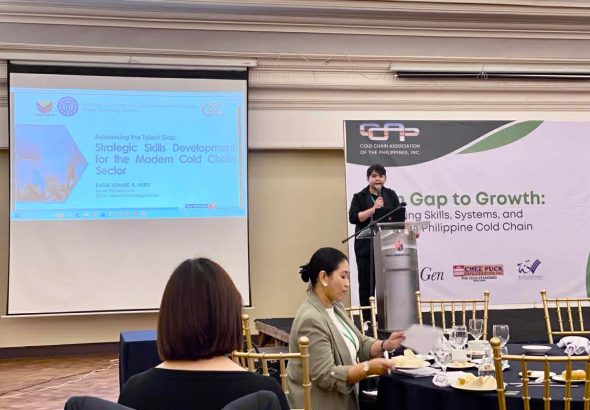









Makati City– MEMBERS of the Cold Chain Association of the Philippines (CCAP) convened at Ayala Hall, Makati Sports...
CALAMBA Medical Center has been recognized as the Infection Control Initiative of the Year – Philippines at...

THE Land Transportation Franchising and Regulatory Board (LTFRB) has issued a show cause order (SCO) against eight...
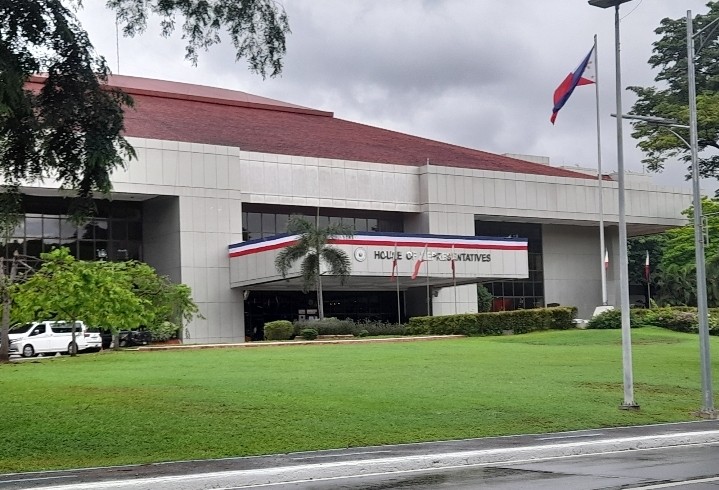

SPEAKER Faustino “Bojie” G. Dy III on Monday evening said that as Cauayan City marks 25 years...

HOUSE Minority Leader Marcelino “Nonoy” Libanan has welcomed Petron Corp.’s procurement of 2.48 million barrels of low-priced...


LIMANG pulis ang nasawi noong Sabado ng gabi habang tatlo ang nasugatan nang tambangan ng mga armadong...

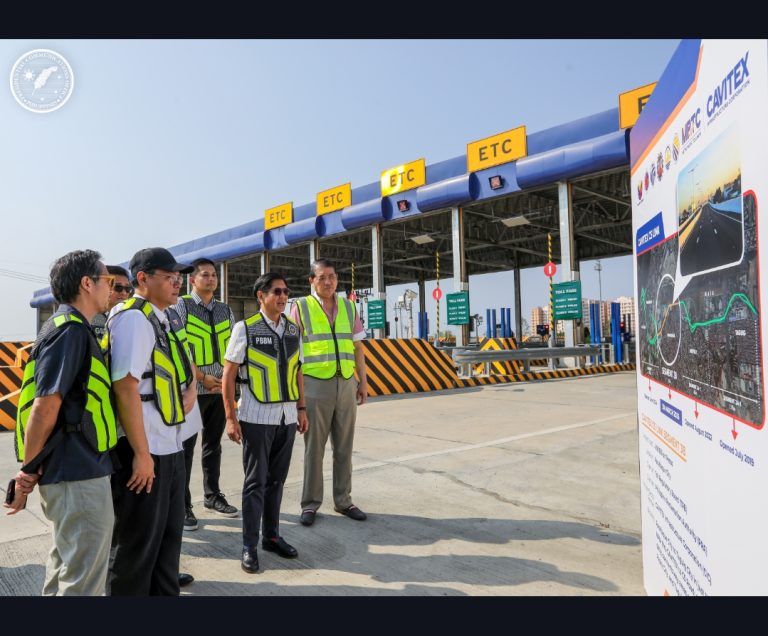
Photo from PCO PRESIDENT Ferdinand R. Marcos Jr. inspected the newly opened final segment of the CAVITEX...
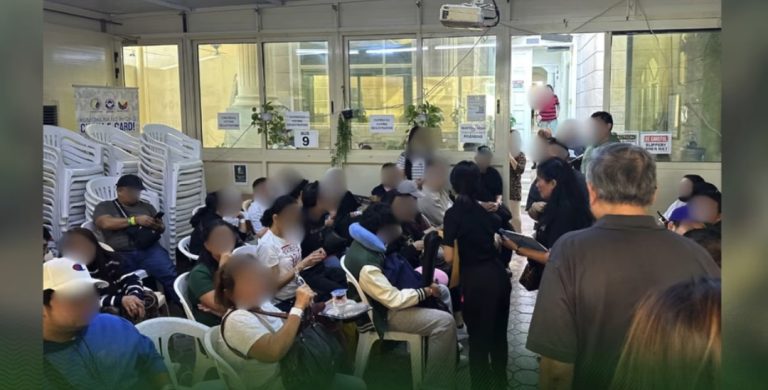

THE House committee on higher and technical education has endorsed for plenary approval a bill seeking to...
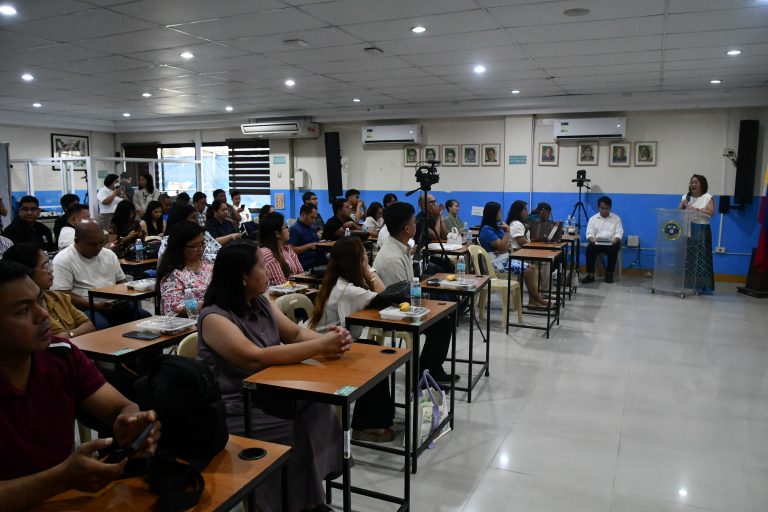
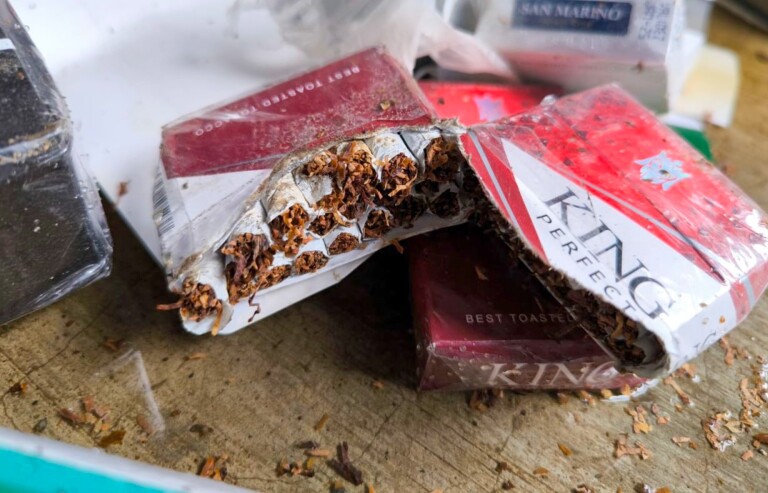
INARESTO ng pulisya noong Sabado ang isang drayber at ang dalawa niyang kasamahan kung saan nakumpiska ang...

LUMAPAG ang ikaanim na chartered flight ng pamahalaan lulan ang 338 OFWs, dependents at mga stranded na...

PAG-ASA ISLAND— A Catholic chapel envisioned as a mission station broke ground Saturday on Pag-asa Island in...

AS we begin the solemn observance of Holy Week, we do so in a world weighed down...

AS millions of Filipinos prepare for the solemn observance of Holy Week, President Ferdinand R. Marcos Jr....

NEW NAIA Infra Corp. (NNIC), operator of Ninoy Aquino International Airport (NAIA), expects more than 1.35 million...

LEYTE Rep. Ferdinand Martin G. Romualdez on Sunday urged Filipinos to use the Holy Week as a...

SA gitna ng idineklarang national state of energy emergency, nanawagan si Senadora Imee R. Marcos sa SSS, GSIS, PAG-IBIG at Philhealth na magpatupad ng pansamantalang tigil-singil at loan moratorium upang maibsan ang tumitinding bigat na dinaranas ng mga Pilipino dulot ng patuloy na pagtaas ng presyo ng langis at mga pangunahing bilihin. Ayon sa senadora, ramdam na ramdam ng mga manggagawa, magsasaka, mangingisda, at maliliit na negosyante ang epekto ng krisis sa enerhiya, mula sa pamasahe hanggang sa presyo ng pagkain, kaya’t malaking tulong kung ipagpapaliban pansamantala ang paniningil ng mga nabanggit na ahensya. “Ang krisis sa gasolina at krudo ay pabigat lalo sa pang-araw-araw na buhay ng bawat Pilipino, lalo na sa ating mga manggagawa. Kaya’t marapat lamang na bigyan natin sila ng kahit isang buwan o higit pang palugit sa pagbabayad ng kanilang mga obligasyon,” pahayag ni Marcos. “‘Wag muna nating kaltasan ang kanilang sahod. Ibigay muna ito nang buo upang kahit paano ay makasabay sila sa walang tigil na pagtaas ng presyo ng bilihin,” dagdag pa niya. Iginiit pa ng senadorang nagawa na ang ganitong hakbang noong panahon ng pandemya at sa mga nakaraang kalamidad, kung saan nakatulong ang mga palugit upang makabangon ang mga apektadong sektor. “Patuloy ang krisis na ito na wala pang kalinawan kung hanggang kailan matatapos. Nararapat lang na gawin natin ang lahat ng makakaya para matulungan ang taumbayan,” pagtatapos niya.
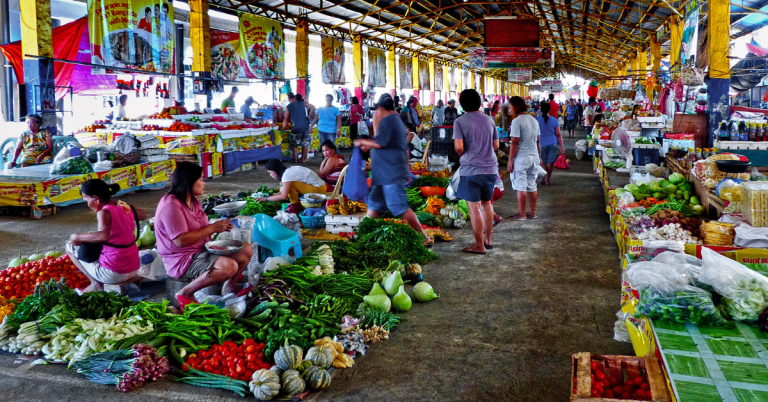
MULING nanawagan si Senador Bam Aquino sa pamahalaan na pormal na magdeklara ng price freeze sa mga pangunahing bilihin at essential goods, na aniya’y makatutulong upang maprotektahan ang publiko mula sa epekto ng patuloy na pagtaas ng presyo ng langis dulot ng krisis sa Middle East. “Mag-price freeze na sila. Mula noong nagsimula iyong hearing, tumaas na ng twenty pesos iyong diesel, iyong gasolina sampung piso. Sinabi ng Department of Agriculture tataas ang presyo ng pagkain kung wala silang gagawin. So mahalagang gumalaw na iyong gobyerno,” wika ni Aquino bilang tugon sa pahayag ni Claire Castro ng Presidential Communications Office (PCO) na maingat na tinitimbang ng pamahalaan ang epekto ng price freeze sa lahat ng sektor. “Kailangan natin ng agarang aksyon at ang mungkahi ko, gawin na iyong price freeze para sa napakaraming Pilipino na hirap na hirap na ngayon. Gawin na nila yan at tulungan nila yung napakarami nating mga kababayan,” dagdag pa niya. Sa pagdinig noong Huwebes ng Proactive Response and Oversight for Timely and Effective Crisis Strategy (PROTECT) Committee, kinumpirma ng mga ahensya ng pamahalaan ang naunang pahayag ni Aquino na price monitoring lamang — at hindi price freeze — ang nakapaloob sa Executive Order No. 110 ni Ferdinand Marcos Jr. na nagdedeklara ng state of national energy emergency. “No price freeze as of now, Mr. Chair,” sabi ni Reynaldo Cancio, Assistant Secretary ng Department of Economy, Planning, and Development (DEPDev), kay Aquino. Kinuwestiyon ni Aquino ang desisyon na hindi isama ang deklarasyon ng price freeze, at sinabing isa ito sa mga dahilan kung bakit siya nanawagan noon ng pagdedeklara ng state of national emergency. “Ang nilabas ninyo is national energy emergency, which I know addresses the supply issues, but I don’t think it addresses the concern when it comes to basic commodities and essential goods,” wika niya. “Palagay ko po at palagay siguro ng marami sa amin, kulang pa dahil ang hinahanap din ng taumbayan ay ang hindi magtuloy-tuloy ang pagtaas ng presyo sa mga palengke, sa supermarket, at sa grocery,” dagdag pa niya. Hindi naman naipaliwanag ng mga undersecretary at assistant secretary ng DEPDev, Department of Energy, at Department of Finance kung bakit hindi nagdeklara ang pamahalaan ng mas malawak na state of emergency na sana’y magbibigay-daan sa pagpapatupad ng price freeze sa mga pangunahing bilihin.

SAN Miguel Corporation (SMC) Chairman and CEO Ramon S. Ang renewed his offer to sell Petron Corporation...

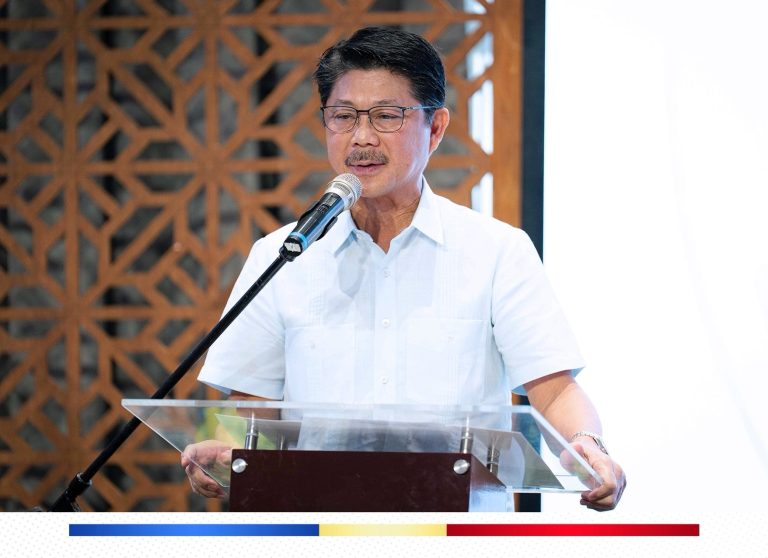
SPEAKER Faustino “Bojie” G. Dy III on Saturday announced that Philippines’ hosting of the ASEAN Inter-Parliamentary Assembly...
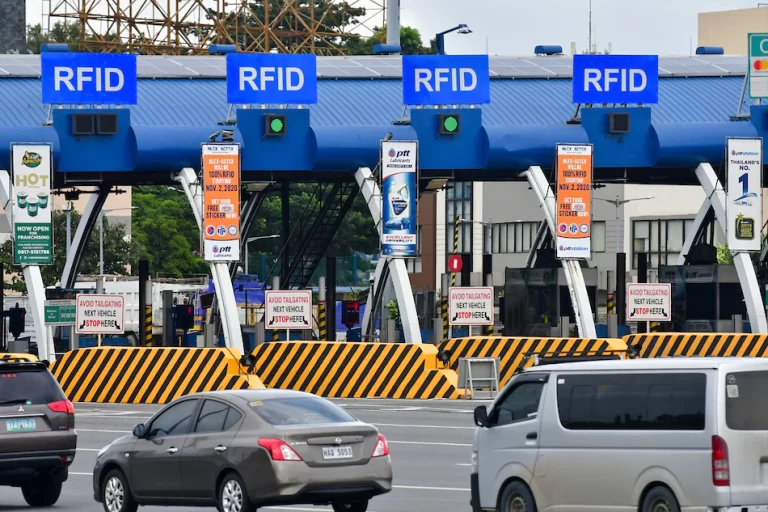
METRO Pacific Tollways Corporation (MPTC) and its network of expressways—NLEX, SCTEX, NLEX Connector, CAVITEX, CALAX, and CCLEX...

MARKING the 20th year of #EarthHour, environmental NGO BAN Toxics calls on every Filipino to move beyond...

THE beatification cause for Bishop Cesar Maria Guerrero, the first shepherd of Lingayen, formally began March 27....

PRESIDENT Ferdinand R. Marcos Jr. on Saturday urged Filipinos to take part in Earth Hour 2026, calling...
PINARANGALAN ang 40 natatanging indibidwal at organisasyon ng Department of Agriculture IV- CALABARZON (DA-4A) sa ginanap na...

THE Department of the Interior and Local Government (DILG) urged Filipinos to support and purchase affordable goods...
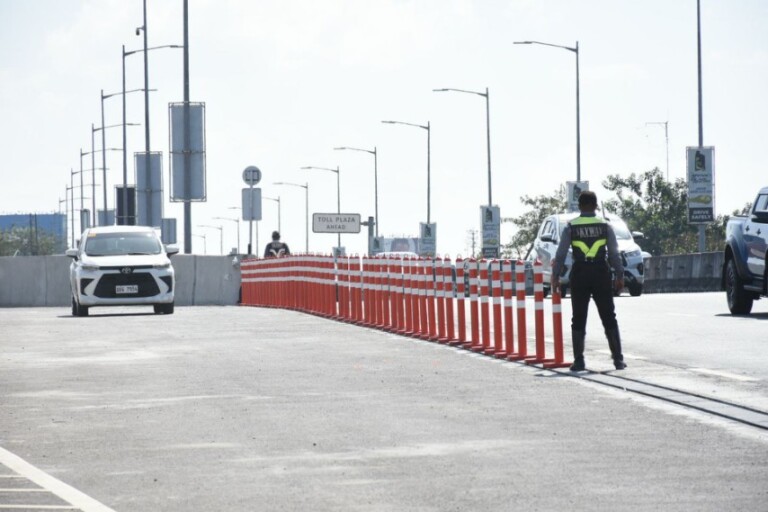
THE westbound off-ramp of the Ninoy Aquino International Airport Expressway (NAIAX) along Andrews Avenue leading to NAIA...
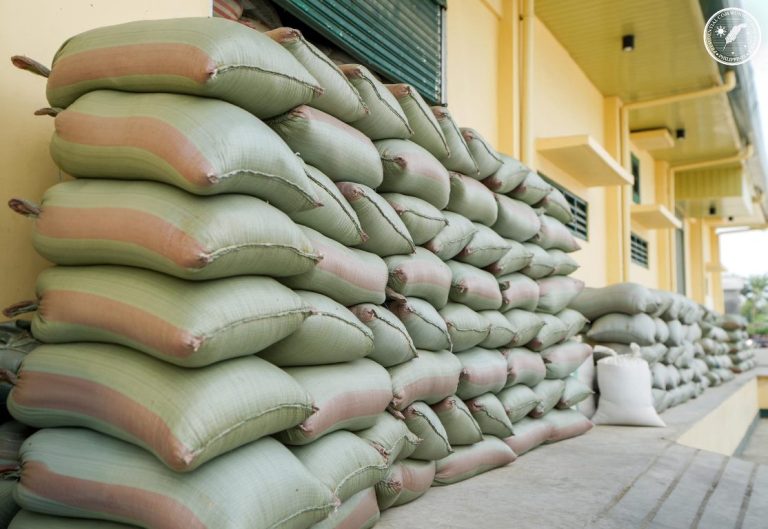
PRESIDENT Ferdinand “Bongbong” Marcos Jr. and Speaker Faustino “Bojie” G. Dy III on Thursday led the inspection...

SA gitna ng patuloy na pagtaas ng presyo ng langis at lumalalang tensyon sa Middle East, naghain...

THE Department of the Interior and Local Government (DILG) reported that the Bureau of Jail Management and...